Sioux Falls, SD · 24/7 US based support Talk to a person: (855) 374 2733
Phase 3 PAYMENTS
Payment hardware

Valor PayTech

Start with the payment workflow.
Then pick the Valor device.

Valor gives us several ways to build the payment side of a merchant setup without assuming every business needs the same device.

Phase 3 most often uses the VP100 for straightforward countertop payments, the VP800 when the merchant needs a fuller counter setup, and the VL550 for portable Android payment workflows, including applicable petroleum accounts that need approved fleet card acceptance.

We verify the merchant, processor, payment workflow, existing system, device requirements, and applicable integrations before deciding which Valor setup belongs in the business.

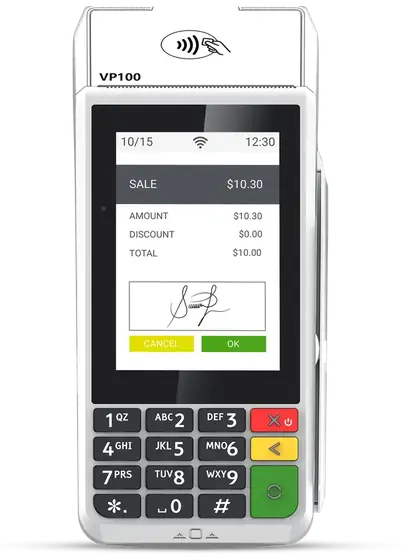
Valor VP100 countertop payment terminal
VP100Countertop
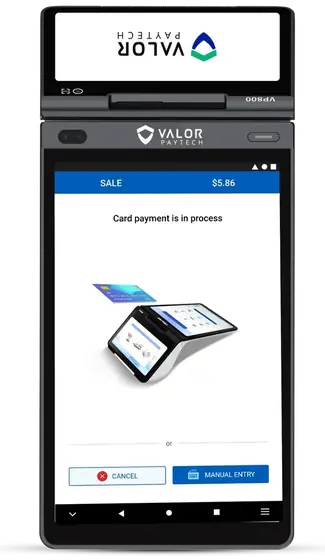
Valor VP800 dual display POS terminal
VP800Fuller counter setup
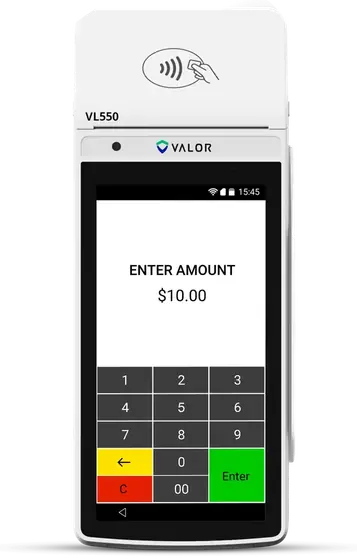
Valor VL550 portable Android payment terminal
VL550Portable and petroleum
What Valor does well

Valor earns its place
when the payment workflow
needs more options.

Valor gives Phase 3 several ways to build the payment side of a merchant setup instead of forcing every business into the same terminal.

The VP100 covers the straightforward counter, the VP800 adds more capability at checkout, and the VL550 gives us a portable Android option with an important petroleum and fleet card use case. Valor's portal and payment tools add another layer around the devices.

Different hardware for different jobs

Valor gives Phase 3 different hardware paths instead of one universal terminal. The VP100 is our common straightforward countertop option. The VP800 gives the merchant a fuller counter setup with more on device capability. The VL550 adds a portable Android form factor when the workflow needs mobility.

Start with what needs to happen at checkout, then choose the device.

Petroleum and fleet card workflows

For applicable petroleum merchants, Phase 3 commonly uses the VL550 when the approved processing setup requires supported fleet card acceptance. Valor's fleet workflow can capture the information required for applicable fuel transactions through supported VL550 configurations.

The petroleum setup, fleet program, processor, and device configuration must all be verified together.

Valor Portal and device tools

Valor provides portal tools for merchant and device management, transaction reporting, configuration, and applicable integration workflows. For supported setups, Valor also provides tools that can help configure or manage devices without treating every change as an onsite hardware project.

The exact portal and remote capabilities depend on the merchant, processor, device, and integration being used.

Payment program flexibility when approved

Valor supports applicable payment program configurations including dual pricing, cash discount, and surcharge capabilities when the approved merchant and processing setup supports them.

The device can support the program. The merchant's numbers and approved payment setup should determine whether the program belongs there.

Valor is most interesting
when the payment workflow
needs more than one answer.

One merchant may need the VP100. Another may need the fuller VP800. A portable workflow may call for the VL550, and an applicable petroleum account may need its fleet card capabilities.

The device should follow the payment requirement, not the other way around.

The Valor setup

Three devices.
Three different payment jobs.

Phase 3 primarily uses three Valor devices, and each one solves a different payment hardware problem.

The VP100 covers straightforward countertop payments. The VP800 gives the merchant a fuller counter setup with more capability at checkout. The VL550 gives us a portable Android option and is especially useful in applicable petroleum configurations that require approved fleet card acceptance.

We confirm the merchant, processor, payment workflow, connectivity, and device requirements before recommending the hardware.

Valor VP100 countertop payment terminal

Valor VP100

Straightforward countertop payments

The VP100 is one of the Valor terminals Phase 3 commonly uses when the merchant needs dedicated countertop payment acceptance without automatically replacing the software that already runs the business.

It supports applicable tap, dip, and swipe payments with wired and wireless connectivity options.

Use the VP100 when the payment job is primarily happening at a fixed counter.

Valor VP800 dual display POS terminal

Valor VP800

Fuller counter setup

The VP800 is one of the Valor devices Phase 3 commonly uses when the merchant needs more capability at checkout than a traditional countertop terminal provides.

Its dual display design combines a larger merchant screen, a customer facing display, payment acceptance, and applicable Valor POS functionality in one counter setup.

Use the VP800 when the checkout itself needs more capability, not simply another card reader.

Valor VL550 portable Android payment terminal

Valor VL550

Portable payments and petroleum

The VL550 is the portable Android Valor device Phase 3 commonly uses when the payment workflow needs mobility.

For applicable petroleum merchants, Phase 3 also uses the VL550 when the approved processing configuration requires supported fleet card acceptance.

The merchant, processor, petroleum setup, fleet program, and device configuration must all support the workflow being implemented.

Petroleum and fleet

The VL550 has a job
the other two do not.

For applicable petroleum merchants, Phase 3 commonly uses the VL550 when the approved payment setup requires supported fleet card acceptance.

Valor's fleet workflow can support configured fuel transactions and required fleet information on supported VL550 setups.

Fleet card acceptance depends on the petroleum merchant, processor, fleet program, platform, and device configuration.

Need a different Valor device?

Phase 3 also has access to the broader Valor hardware lineup when the merchant needs another form factor, PIN pad, connectivity option, or payment workflow.

We start with the requirement instead of forcing the VP100, VP800, or VL550 into the wrong job.

The payment workflow
should pick the Valor device.

VP100 for the straightforward counter. VP800 when the counter needs more capability. VL550 when the merchant needs portability or an applicable petroleum and fleet card workflow.

If none of those fits, we look at the broader Valor lineup instead of forcing the wrong hardware.

Build my Valor setup →

Product photography is supplied by Valor PayTech and remains their property. Phase 3 Payments is an authorised reseller. Device availability depends on the approved merchant configuration.

Industries

Where Valor
earns a serious look.

Valor becomes worth evaluating when the business needs a payment device or checkout setup that matches how customers actually pay.

The industry gives us context. The payment location, required hardware, mobility, existing software, petroleum requirements, and approved processing setup determine whether Valor fits.

Pricing is a separate conversation based on the merchant's actual payment numbers and approved payment configuration.

Convenience Stores & Fuel

Valor is worth evaluating when the operation needs dedicated counter payments, a fuller checkout device, portable payment hardware, or an applicable petroleum setup with approved fleet card acceptance.

Phase 3 commonly uses the VL550 for applicable petroleum merchants when the approved processing configuration requires supported fleet card workflows.

The petroleum merchant, fleet program, processor, device, and payment configuration must all support the setup.

See the convenience and fuel workflow →

Automotive & Repair

Valor is worth evaluating when the shop needs dedicated counter payments, a portable payment device, or a fuller checkout setup without automatically replacing the software that already runs the repair operation. VP100, VP800, or VL550 may solve different payment jobs depending on where and how the customer pays.

Keep the shop software if it already works. Change the payment setup only when the workflow justifies it.

See the automotive workflow →

Retail & Shops

Valor is worth evaluating when the store needs dedicated payment hardware or a fuller counter setup and the current retail software either stays in place or does not need the depth of a larger POS platform. The VP800 can be worth comparing when the checkout needs more on device capability than a traditional terminal provides.

If the real problem is deep inventory, purchasing, employee management, or store operations, compare the full POS platforms too.

See the retail workflow →

Construction & Trades

Valor is worth evaluating when the business needs straightforward in person payment acceptance at the office, shop, showroom, job location, or another payment position. Portable hardware can matter when the payment needs to move, but remote invoices or payment links may be the better answer for other workflows.

Start with how the customer actually pays before choosing the hardware.

See the construction workflow →

Professional Services

Valor is worth evaluating when the firm needs straightforward in person payment acceptance or a dedicated checkout position alongside the billing or business software it already uses. If most payments happen through invoices, links, recurring billing, ACH, or approved stored payment methods, physical terminal hardware may not be the main answer.

Choose the payment workflow before the device.

See the professional services workflow →

Specialty Industries

Some specialty business models require a merchant and payment setup that matches the actual products, services, underwriting, and approved processing relationship. When Valor hardware fits that approved setup, Phase 3 can determine whether the merchant needs a VP100, VP800, VL550, or another current Valor payment device.

Merchant placement comes first. Hardware comes after the approved payment setup is understood.

See the specialty industries workflow →

The industry gets us close.
The payment workflow picks the Valor device.

Two businesses in the same industry can need completely different payment setups.

Start with where the customer pays, what software the business already uses, whether the checkout needs more capability, and whether the payment device needs to stay at the counter or move with the customer.

VP100 for the straightforward counter. VP800 when the checkout needs more capability. VL550 when the workflow needs portability or an applicable petroleum and fleet card setup.

What it costs to run

Price the Valor setup
that will actually go live.

Valor cost depends on which device and payment configuration the business actually needs.

A VP100 at a fixed counter, a VP800 with a fuller checkout setup, and a VL550 used for portable payments or an applicable petroleum and fleet card workflow are different merchant configurations.

The merchant should understand the hardware, connectivity, integrations, specialized requirements, commercial terms, and processing setup before approving anything.

Device and hardware

The first cost decision is which Valor device actually belongs in the payment workflow. Phase 3 commonly uses the VP100 for straightforward countertop payments, the VP800 when checkout needs more capability, and the VL550 when the workflow needs portability or an applicable petroleum configuration.

Price the device from the job it needs to do.

Connectivity and accessories

WiFi, cellular connectivity when applicable, Ethernet, stands, printers, network equipment, cables, and other supported accessories can change the complete Valor setup.

Include the pieces the merchant actually needs instead of assuming every device uses the same configuration.

Valor software and connections

Some Valor setups can involve Valor Portal tools, reporting, device management, point of sale connections, integrations, remote configuration, or other software around the payment hardware.

The merchant should understand which Valor and processor capabilities are actually part of the approved setup.

Specialized payment requirements

Some merchants need more than ordinary card acceptance. For applicable petroleum accounts, that can include a VL550 configuration with supported fleet card acceptance when the merchant, processor, fleet program, and payment setup all support it.

Specialized requirements belong on the quote when the merchant actually needs them.

Payment processing

Processing cost depends on the approved merchant account, payment mix, transaction volume, average card transaction, pricing structure, and Valor payment configuration.

Compare the economics using the merchant's actual payment numbers.

Put the actual Valor configuration
on the quote.

A VP100 countertop setup, a VP800 fuller checkout configuration, and a VL550 portable or petroleum workflow can involve different hardware, connectivity, software, integrations, specialized requirements, and processing.

Show the merchant the setup that will actually go live rather than quoting one piece of it in isolation.

Valor pricing depends
on the device and setup.

VP100, VP800, VL550, connectivity, accessories, Valor tools, integrations, specialized payment requirements, processing, and commercial terms can create different merchant configurations.

Phase 3 confirms the current setup and applicable costs before the merchant approves it.

Payment programs are
a separate decision.

Valor supports applicable dual pricing, cash discount, surcharge, and other configured payment program capabilities. That does not mean the merchant should choose one simply because the terminal supports it.

The merchant's actual payment numbers, customer experience, approved setup, card brand requirements, and applicable rules should drive the decision.

See my Valor setup and cost →

Buying through Phase 3

Valor is the hardware.
The payment setup around it still matters.

Choosing a Valor device is only part of the decision.

Phase 3 helps determine whether the merchant needs a VP100 at a fixed counter, a VP800 with a fuller checkout, a VL550 for portable or petroleum work, or another current Valor device, then builds the payment configuration around it.

The hardware, processor, existing software, payment workflow, and merchant requirements all need to work together.

Choose the right device

Phase 3 most often uses the VP100 for straightforward countertop payments, the VP800 when checkout needs more on-device capability, and the VL550 when the workflow needs portability or an applicable petroleum and fleet card setup.

If none of those fits, we can evaluate the broader Valor lineup.

Keep software that already works

When the merchant is keeping an existing point of sale or operating system, Phase 3 checks whether the POS, processor, integration, and Valor hardware can work together before recommending the device.

Do not buy the terminal first and figure out compatibility later.

Build the payment setup around it

The device, merchant account, processor relationship, payment application, and pricing structure need to work as one approved payment setup.

Phase 3 reviews the merchant's actual payment requirements before recommending the configuration.

Coordinate the implementation

Phase 3 coordinates the implementation work that applies to the approved Valor setup so the merchant knows what needs to be configured, connected, tested, and ready before launch.

The exact scope depends on the device, processor, petroleum or fleet requirements, and merchant environment.

Support after launch

Payment and equipment support is available 24/7 from a US based team. If the issue involves Valor software, a processor, integration, network, or another part of the setup, Phase 3 can help identify the appropriate next step.

Phase 3 Digital if you need it

Phase 3 can also build and manage the public business website and provide ongoing search and advertising services through Phase 3 Digital.

Digital stands on its own. Valor and payment processing are not required.

Website$99 a month with Phase 3 processing$199 a month as Standalone Digital

The value is not adding more Valor.

The value is choosing the payment device, processor setup, and payment configuration the merchant actually needs and leaving out what it does not.

If the merchant needs less, the setup should get smaller.

Build the right Valor setup →

Before you decide

Ask the questions that matter
before you choose Valor.

Valor gives Phase 3 several different ways to build the payment side of a merchant setup.

Before choosing the hardware, determine what needs to happen at checkout, whether the business needs a traditional terminal or a fuller device, whether portability matters, and whether any specialized payment requirements need to be supported.

Should I use the VP100, VP800, or VL550?

They solve different payment jobs. The VP100 is one of the Valor devices Phase 3 commonly uses for straightforward countertop payments. The VP800 is worth evaluating when the checkout needs more on device capability and a fuller counter setup. The VL550 is the portable Android option Phase 3 commonly uses when the workflow needs mobility, including applicable petroleum configurations.

Start with the payment workflow, then choose the device.

Do I need a full POS or just Valor payment hardware?

That depends on what the business actually needs to manage. If the existing system already handles products, inventory, employees, orders, reporting, or the other software the business depends on, changing only the payment hardware may make more sense.

If the business also needs broader operating software, compare the full point of sale platforms before forcing Valor hardware to solve a software problem.

Can I keep the system I already use?

Possibly. If the current system still runs the business well, Phase 3 can review whether the approved processor, payment application, integration, and Valor hardware can work with that environment.

If the setup is compatible, keeping good software can be a better outcome than replacing it.

Does using Valor mean I should use dual pricing?

No. Valor supports applicable dual pricing, cash discount, surcharge, and other configured payment program capabilities when the approved merchant and processing setup supports them. That does not mean every merchant should use one.

The pricing structure should be evaluated from the merchant's actual payment numbers, customer experience, approved setup, card brand requirements, and applicable program rules. The merchant should understand how the pricing structure will be presented to customers before approving it.

What about petroleum and fleet cards?

This is one of the areas where the VL550 can become especially relevant for Phase 3. For applicable petroleum merchants, Phase 3 commonly uses the VL550 when the approved payment setup requires supported fleet card acceptance.

The petroleum merchant, processor, fleet program, platform, device, and payment configuration all need to support the workflow being implemented.

The device should follow
the payment workflow.
The payment program should follow
the merchant's numbers.

VP100, VP800, and VL550 solve different hardware problems.

Dual pricing, fleet cards, portability, or another payment capability should be part of the setup only when the merchant actually needs it and the approved configuration supports it.

Ask us the Valor questions →

Before you commit

Valor should
earn its place.

Valor gives us several ways to build the payment side of a merchant setup. That does not mean every business needs the same device or the most capable option.

Before changing anything, identify what the current system already handles well, what actually needs to improve at checkout, and which Valor configuration solves that problem without adding unnecessary complexity.

Keep what already works

If the current system already handles products, inventory, employees, orders, reporting, or the other software the business depends on, replacing it may create more work than value. Valor may still fit the payment side without forcing the merchant to replace software that already does its job.

Changing less can be the better recommendation.

Do not buy more Valor than you need

The VP100, VP800, and VL550 solve different payment and checkout problems. A straightforward counter may only need the VP100. The VP800 becomes more relevant when checkout needs more capability. The VL550 becomes relevant when the workflow needs portability or another supported use case.

More capability is useful only when the business will actually use it.

Verify specialized payment requirements first

For applicable petroleum merchants, the VL550 can become especially relevant when the approved payment configuration requires supported fleet card acceptance. The merchant, processor, fleet program, petroleum environment, platform, and device configuration all need to support the workflow being implemented.

Do not build the merchant setup around a specialized capability until that capability is verified.

Do not let the device choose the pricing program

Valor supports applicable dual pricing, cash discount, surcharge, and other configured payment program capabilities. That does not mean the merchant should use one simply because the device supports it.

The pricing decision should follow the merchant's actual payment numbers, customer experience, approved setup, card brand requirements, and applicable program rules.

The goal is not to put
more Valor on the counter.
The goal is to get
the payment setup right.

Sometimes the VP100 is enough. Sometimes the checkout needs the VP800. Sometimes the VL550 solves a portable or specialized petroleum requirement.

Sometimes the current system should stay. Sometimes another payment device or full point of sale fits better. Sometimes no new hardware is needed at all.

The recommendation should follow the payment workflow, not the product we happen to sell.

See if Valor fits → See all POS & terminals →

The alternatives

If Valor does not fit,
start with what the payment workflow needs next.

Do not move away from Valor simply to put a different logo on the counter.

First identify what the VP100, VP800, VL550, or broader Valor lineup is not solving. Then compare the hardware, full point of sale, or payment workflow that actually addresses that requirement.

If Valor still fits the business well, keeping it is a perfectly good outcome.

Dejavoo

Another payment hardware path

Dejavoo is worth comparing when the merchant still needs dedicated payment hardware but a different terminal, PIN pad, connectivity option, processor setup, or supported payment configuration fits the workflow better than the Valor option being considered.

Compare the actual device and approved payment setup rather than changing terminal brands just to change brands.

Explore Dejavoo →

Need more than payment hardware?

Compare a full POS.

If the business also needs products, inventory, menus, employees, restaurant workflows, customer tools, deeper reporting, or other operating software, another payment terminal may solve too little.

That is when the merchant should compare the full point of sale platforms instead of asking Valor or Dejavoo to do a software job.

Compare all POS systems →

What if the business does not need another terminal?

If the real need is invoices, payment links, recurring billing, ACH, approved stored payment methods, online payments, or another remote payment workflow, another physical terminal may solve the wrong problem.

Start with how the customer actually pays. Then choose the payment tool.

See payment options → See online payments →

Do not replace Valor
just to change the hardware.
Change when something else
solves the payment problem better.

Maybe that is Dejavoo. Maybe the business needs a full POS. Maybe it does not need another terminal at all.

Name the requirement first. Then choose the product.

See all POS & terminals →

Valor FAQ

Before you choose Valor,
get these answers.

Valor gives the merchant several different ways to build the payment side of the business.

Before choosing a device, understand what the checkout needs to do, whether portability matters, what system already runs the business, and whether any specialized payment requirements belong in the setup.

They solve different payment and checkout jobs. Phase 3 commonly uses the VP100 for straightforward countertop payments. The VP800 becomes more relevant when the merchant needs a fuller counter setup with more on device capability. The VL550 is the portable Android option we commonly use when the payment workflow needs mobility, including applicable petroleum configurations.

Start with the payment workflow, then choose the device.

That depends on what the business actually needs to manage. If the current system already handles products, inventory, employees, orders, reporting, or the other software the business depends on, Valor may fit the payment side without replacing everything.

If the business needs broader operating software too, compare the full point of sale platforms before choosing the hardware.

Possibly. If the current system still runs the business well, Phase 3 can review whether the approved processor, payment application, integration, and Valor hardware can work with that environment.

If the setup is compatible, keeping good software can be a better outcome than replacing it.

Possibly. The processor, merchant account, Valor device, payment application, certification, and any point of sale connection all need to support the configuration being considered.

If keeping the current processing relationship matters, verify the complete setup before approving the hardware.

The VL550 can be especially useful in applicable petroleum payment workflows because it combines portable Android payment hardware with supported petroleum capabilities. Phase 3 commonly uses it when an approved petroleum merchant needs a mobile or countertop payment workflow that includes supported fleet card functionality.

The petroleum environment and payment configuration should be verified before selecting the device.

Valor currently supports fleet card transactions on applicable VL550 configurations. Phase 3 commonly uses the VL550 for this purpose with applicable petroleum merchants.

The merchant, processor, fleet program, platform, device, and approved payment setup all need to support the transaction workflow.

Yes. Valor supports applicable dual pricing configurations across supported devices when the merchant and processing setup supports the program. Valor also supports other payment program capabilities depending on the approved configuration. That does not mean every merchant should use dual pricing.

The pricing decision should follow the merchant's actual payment numbers and approved setup.

No hardware device by itself determines whether a pricing program is properly implemented. Valor can support the technical configuration, but the merchant still needs the appropriate processor setup, disclosures, customer presentation, card brand requirements, and other applicable program requirements.

Supporting the feature and choosing the right program are two different decisions.

Valor provides portal and management tools for applicable merchant configurations. Depending on the setup, these tools can include transaction reporting, device management, terminal settings, and other supported merchant or integration functions.

The exact portal capabilities depend on the merchant, processor, device, and configuration being used.

Phase 3 has access to the broader Valor hardware lineup. If the VP100, VP800, or VL550 does not fit the payment workflow, we can evaluate another current Valor terminal, PIN pad, portable device, or supported form factor instead of forcing the wrong hardware.

Start with the requirement, not the model number.

The total depends on the device and merchant configuration. Applicable costs can include hardware, accessories, connectivity, Valor software or portal tools when applicable, integrations, specialized payment requirements, processing, and other services involved in the setup.

Phase 3 should show the applicable pieces before the merchant approves the quote.

Implementation depends on the Valor device and merchant configuration. A standalone VP100 is different from a VP800 with additional checkout functionality or a VL550 being configured for an applicable petroleum and fleet card workflow. Phase 3 reviews the actual setup and defines what needs to be configured, connected, tested, and ready before launch.

Payment and equipment support is available 24/7 from a US based team. If the issue involves Valor software, a processor, integration, network, or another technology in the setup, Phase 3 can help identify the appropriate next step.

Yes. Phase 3 Digital can provide the managed Website service separately from Valor. Website pricing is $99 a month with Phase 3 processing or $199 a month as Standalone Digital. Phase 3 Digital also offers ongoing search work and paid advertising management through the applicable Digital plans.

Valor and payment processing are not required to use Phase 3 Digital.

Still not sure Valor is the answer?

See if Valor fits → See all POS & terminals →

Tell us what isn't working.
We'll tell you what's worth changing.

Tell us what you are trying to fix or improve. We will tell you what should stay, what is worth changing and where Phase 3 can help.

Sometimes the honest answer is nothing.