Sioux Falls, SD · 24/7 US based support Talk to a person: (855) 374 2733
Phase 3 PAYMENTS
Point of sale

KORONA POS

When inventory gets serious,
KORONA earns a look.

KORONA POS is built for businesses where inventory, products, locations, employee permissions, and operating control matter as much as the checkout itself.

KORONA becomes more interesting when the business needs tighter control over inventory, replenishment, multiple locations, employee activity, age verification workflows, or ticketing and admissions.

Those are operating problems, not just checkout features.

We start with what the operation needs to control. Then we decide whether KORONA is the right system to control it.

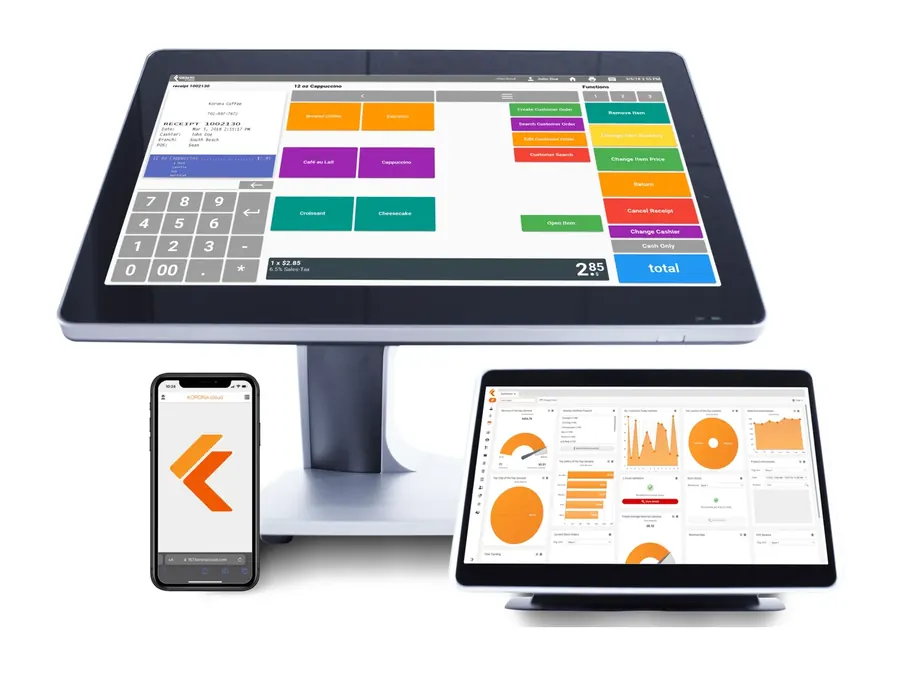
KORONA POS system and business management screens
What KORONA does well

KORONA earns its place
when control gets harder.

KORONA becomes more interesting when the business has more products, more locations, more employee access to control, or more operating rules to manage.

The strength is not simply taking the payment. It is giving the operator more control over inventory and what happens around the sale.

Inventory and replenishment

KORONA can support inventory counts, product tracking, reorder levels, order recommendations, stock orders and receipts, and other replenishment workflows for applicable retail configurations.

The software can create stronger inventory controls, but receiving, transfers, counts, waste, and product setup still have to be handled consistently.
Multiple locations

KORONA can centralize products, inventory, pricing, reporting, stock activity, and other applicable back office functions across multiple stores or operating locations.

The exact tools depend on the KORONA software plan and merchant configuration being used.

Permissions and loss prevention

Employee roles and permissions can limit access to sensitive register and back office functions such as voids, refunds, discounts, drawer activity, reports, inventory changes, and other actions that should not be available to every user.

Those controls can create better accountability. They do not replace good procedures, management, or employee training.

Ticketing and admissions

For applicable configurations, KORONA can support general admission, event tickets, ticket printing, entry validation, and related admissions workflows alongside the retail operation.

That makes KORONA worth evaluating when the business sells both products and access.

KORONA is most interesting
when the checkout is not the hard part.

If the business mainly needs straightforward checkout and card acceptance, KORONA may be more system than necessary. Its value grows when inventory and operating control become real problems the business needs the POS to solve.

The KORONA setup

Build the hardware
around the operation.

KORONA can be configured with different POS terminals, payment devices, scanners, printers, displays, and specialized peripherals depending on what the business actually needs.

A retail operation with deep inventory needs may require a very different hardware setup from a store using age verification or a venue managing tickets and admissions.

Phase 3 confirms the compatible equipment and the role each device will play before the merchant approves the setup.

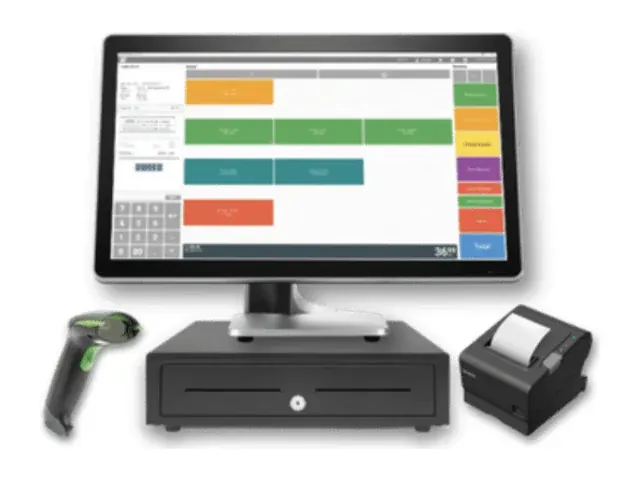
KORONA POS checkout station

Checkout station

The main register

A KORONA checkout can be built around a compatible desktop or mobile POS terminal with the display, receipt printer, cash drawer, scanner, and other equipment the position actually needs.

Build the station around the checkout workflow rather than assuming every register needs the same bundle.

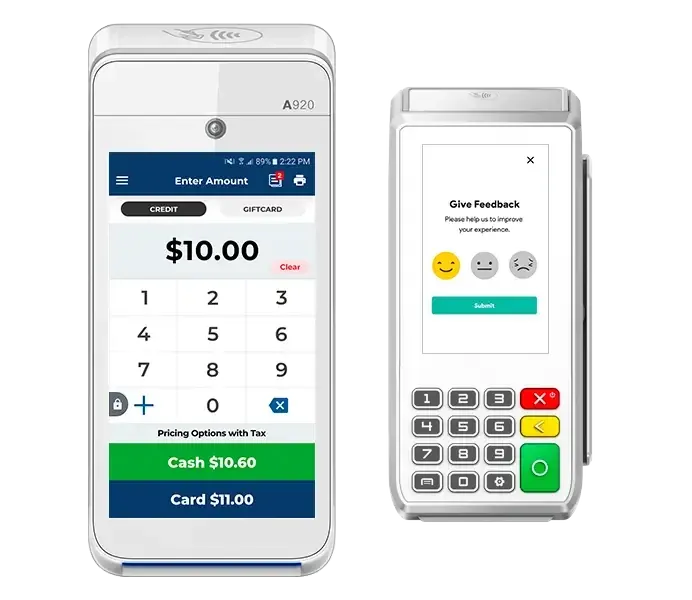
Compatible KORONA payment terminal

Payment devices

How the customer pays

KORONA can work with compatible payment terminals that support the payment methods available through the approved merchant and processing configuration.

The card reader should be selected with the processor and KORONA setup rather than treated as a separate hardware decision.

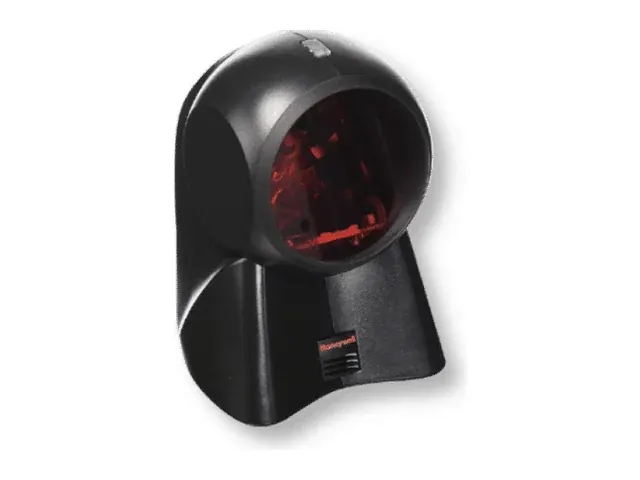
KORONA compatible barcode scanner

Scanning and inventory

Move products through the system

Compatible counter scanners and mobile inventory scanners can support checkout, receiving, inventory counts, ticket scanning, and other product workflows when the KORONA configuration requires them.

The scanner should match the job it has to do.

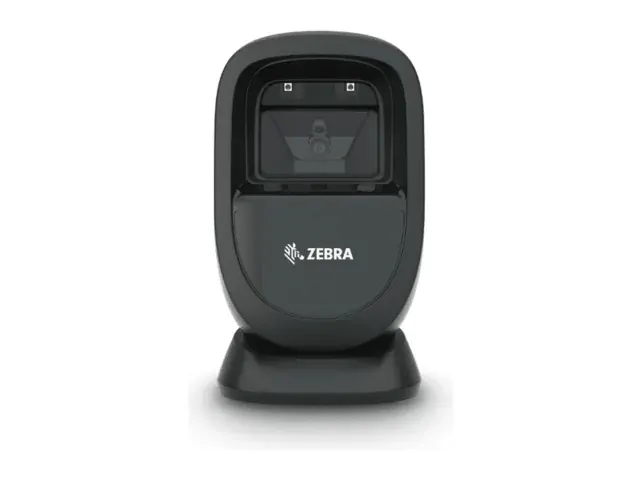
KORONA age verification scanner

Age verification

Support the checkout workflow

KORONA can support age verification workflows for applicable products using configured prompts, manual birth date entry, and compatible ID scanning hardware when used.

The technology helps enforce the configured checkout process. The merchant and employees remain responsible for following applicable laws and procedures.

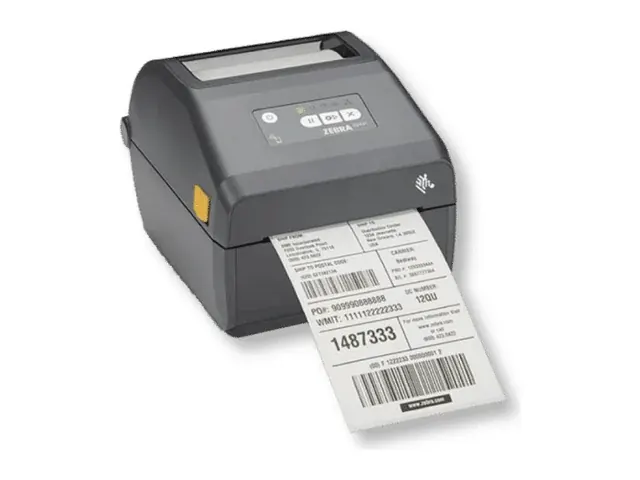
KORONA label printer

Labels and printing

Keep products and prices organized

Compatible receipt, shelf label, barcode, ticket, and other printers can support the workflows included in the KORONA configuration.

Label printing becomes especially useful when a larger product catalog requires frequent price, barcode, or product information changes.

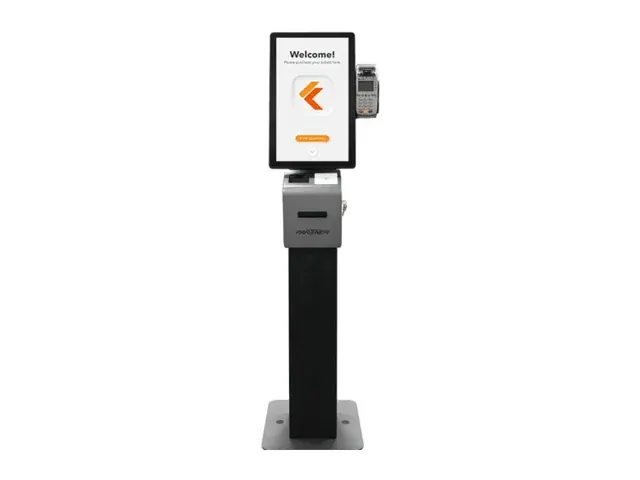
KORONA self checkout kiosk

Self service and admissions

Customer and entry workflows

Applicable KORONA configurations can use self checkout kiosks, ticket printers, mobile or handheld scanners, and entry equipment for customer checkout, ticketing, or admissions workflows.

Add them when they solve a real operating requirement rather than simply expanding the hardware footprint.

Hardware is part of the workflow.

The register, payment device, scanner, printer, label equipment, kiosk, ticketing hardware, and other peripherals should be selected from what the business actually needs to operate.

The goal is not more hardware. The goal is the right hardware in the right place.

Build my KORONA setup →

KORONA product photography supplied by COMBASE USA. Compatible payment terminal photography is manufacturer imagery of supported payment hardware.

Industries

Where KORONA
earns a serious look.

KORONA tends to become more relevant when inventory, locations, employee permissions, age verification, ticketing, or other operating requirements create complexity that a simpler POS may not handle as well.

The business type gives us context. The operating workflow still makes the decision.

Pricing is a separate conversation based on the merchant's actual payment numbers.

Retail & shops

KORONA is worth evaluating when detailed products, inventory counts, receiving, replenishment, labels, employee permissions, supplier activity, and reporting are central to how the store operates.

The deeper controls matter only when the business actually needs them.

See the retail workflow →

Convenience Stores & Fuel

KORONA is worth evaluating for the retail side of convenience operations when products, receiving, labels, age verification workflows, employee permissions, inventory, and location level controls become important.

Fuel, pump, forecourt, and other specialized integrations must be verified for the specific merchant setup.

See the convenience workflow →

Quick service and concessions

KORONA can be worth comparing when a quick service or concession operation needs straightforward checkout plus stronger inventory, product, employee, location, or self service controls.

The food service workflow should still be compared with the restaurant functions the business actually requires.

See the restaurant workflow →

Multiple location retail

KORONA can become more valuable when the business needs centralized products, inventory, pricing, promotions, reporting, employee controls, and store level visibility across multiple locations.

The exact tools depend on the KORONA plan and merchant configuration.

See if KORONA fits →

Admissions and ticketing

KORONA is worth evaluating when the business combines admissions, event tickets, merchandise, entry validation, memberships, or other venue workflows with point of sale.

The exact ticketing, online sales, scanning, printing, and entry setup should be reviewed for the venue.

See if KORONA fits →

The industry gets us close.
The operating requirements pick the system.

Two businesses in the same category can need completely different POS platforms. KORONA earns the recommendation when its deeper inventory and operating controls solve problems the business actually has.

What it costs to run

KORONA has real depth.
Price the version
you will actually use.

KORONA offers different software plans and capabilities depending on what the business actually needs to operate.

The complete cost can include software, specialized KORONA products, hardware, peripherals, payment devices, and processing. Put the configuration in front of the merchant clearly before anything is approved.

Software plan

The applicable KORONA software plan should reflect the checkout, inventory, reporting, automation, and operating functions the business actually needs.

Do not pay for a more advanced configuration simply because the demo showed it.

Additional KORONA packages

Ticketing, admissions, integration work, and other specialized KORONA capabilities may have their own commercial terms when they are part of the setup.

Include them when the operation actually needs them.

Hardware and peripherals

POS terminals, scanners, printers, cash drawers, displays, label equipment, ticketing equipment, and other hardware can change the total cost.

Purchase, finance, lease, bundle, or other equipment terms depend on the actual merchant arrangement.

Payment devices

The payment terminal or other payment device must fit the KORONA and processing configuration being implemented.

The exact device and cost depend on the approved merchant setup.

Payment processing

Processing cost depends on the approved processor, payment mix, transaction volume, average card transaction, pricing structure, and merchant configuration.

Compare the economics using the merchant's actual payment numbers.

Count the configuration
you will actually run

The number of stations, software level, specialized KORONA products, hardware, peripherals, payment devices, and processing setup can all change the real cost.

Price the operation that will go live, not the biggest version shown in a demo.

KORONA pricing depends
on the configuration.

KORONA publishes direct software pricing, but Phase 3 quotes the current products, hardware, commercial terms, and payment setup that actually apply to the merchant.

The merchant should compare the configuration being purchased rather than assume another published package is the same setup.

Depth is worth paying for
only when you use the depth.

KORONA can make a lot of sense when deeper inventory and operating controls matter.

If the business does not need that depth, compare a simpler system before adding cost and complexity.

See my KORONA setup and cost →

Buying through Phase 3

KORONA is the software.
The implementation around it still matters.

KORONA provides the software. The merchant setup still has to connect the products, locations, employee access, hardware, payments, and operating workflows around the real business.

Phase 3 helps define that configuration, coordinate what gets implemented, and give the merchant a clear place to start when the payment or equipment side needs attention.

Map the operation first

We start with products, receiving, inventory counts, ordering, locations, employee roles, checkout, admissions when applicable, and the systems the business already uses.

The KORONA configuration should follow the workflow.

Choose the software depth

Phase 3 helps determine which KORONA software level and specialized capabilities belong in the merchant setup.

More functionality is not automatically a better recommendation.

Match the hardware and payments

POS terminals, scanners, printers, payment devices, and other peripherals need to match the KORONA and processing configuration being implemented.

Phase 3 confirms the applicable equipment and payment setup before launch.

Coordinate the implementation

Phase 3 coordinates the implementation work that applies to the approved KORONA setup so the merchant knows what needs to be configured, tested, and ready.

The exact scope depends on the business and systems involved.

Support after launch

Payment and equipment support is available 24/7 from a US based team.

If the issue involves KORONA software or another technology in the setup, Phase 3 can help identify the appropriate next step.

Phase 3 Digital if you need it

Phase 3 can also build and manage the public business website and provide ongoing search and advertising services through Phase 3 Digital.

Digital stands on its own. KORONA and payment processing are not required.

Website $99 a month with Phase 3 processing
$199 a month as Standalone Digital

The value is not adding more KORONA.

The value is choosing the KORONA software, hardware, payment devices, and operating tools the business actually needs and leaving out what it does not.

If the business needs less, the setup should get smaller.

Build the right KORONA setup →

Before you decide

Ask the questions that matter
before you choose KORONA.

KORONA gives a business deeper inventory and operating controls than a simple checkout system.

That depth only creates value when the business has the processes, people, and requirements to use it.

Is KORONA more system than I need?

It might be.

If the business mainly needs straightforward checkout, basic product management, and simple reporting, a lighter POS may make more sense.

KORONA earns its place when inventory, locations, permissions, replenishment, ticketing, admissions, or other operating requirements create problems a simpler setup does not solve well.

Will KORONA fix my inventory counts?

KORONA can provide stronger inventory controls, counts, product tracking, reorder levels, receiving workflows, stock movement, and reporting.

But the POS cannot correct a process the business does not follow.

Receiving, transfers, waste, counts, product setup, and employee procedures still need to be handled consistently for the inventory data to stay useful.

Do I really need age verification hardware?

Not every merchant does.

KORONA can support age verification workflows through configured prompts, manual birth date entry, and compatible ID scanning hardware when the merchant setup calls for it.

The technology helps support the checkout process. The merchant and employees remain responsible for following applicable laws, policies, and procedures.

Can I keep my processor?

Possibly.

KORONA is designed to support multiple processing relationships, but Phase 3 still needs to verify the processor, merchant account, payment terminal, integration, and KORONA configuration being considered.

If keeping the current processor matters, confirm the exact setup before approving the POS.

Can I keep hardware I already own?

Possibly.

Existing POS terminals, printers, scanners, payment devices, displays, and other peripherals should be checked against the KORONA configuration being implemented.

If the equipment is compatible, still supported, and fits the workflow, keeping it can be a good outcome.

Better controls only matter
when the business uses them.

KORONA can create more structure around inventory and operations. The people and processes inside the business still determine whether that structure produces better information and better control.

Software can enforce a process. It cannot create discipline by itself.

Ask us the KORONA questions →

Before you commit

KORONA should
earn its place.

The fact that KORONA can do more does not mean the business needs more.

Before replacing anything, identify what the current system already handles well, what is actually causing problems, and which operating requirements are important enough to justify moving to KORONA.

Keep what already works

If the current POS already handles the operation well and the real problem is payments, hardware, support, or another part of the setup, replacing the entire system may create more work than value.

Changing less can be the better recommendation.

Use KORONA when operating control matters

KORONA becomes more compelling when inventory, replenishment, locations, employee permissions, product management, reporting, ticketing, admissions, or other operating controls are important enough to justify deeper software.

The value comes from the requirements the business actually uses.

Do not buy specialized functions you will not use

Ticketing, admissions, deeper inventory tools, age verification workflows, specialized hardware, and other KORONA capabilities should be included because the operation actually requires them.

Do not build the demo version of KORONA into the live merchant setup.

Do not buy a full POS for a payment problem

If the business mainly needs card acceptance, invoices, payment links, recurring billing, remote payments, or another straightforward payment workflow, replacing the POS may solve the wrong problem.

A simpler payment setup may be the better answer.

The goal is not to sell more KORONA.
The goal is to get the setup right.

Sometimes KORONA is the right answer. Sometimes another POS fits better. Sometimes the current system should stay and only the payment setup should change.

The recommendation should follow the problem, not the product we happen to sell.

See if KORONA fits → Compare all POS systems →

The alternatives

If KORONA does not fit,
compare the requirement.

Do not move away from KORONA just to choose a more familiar logo.

First identify the requirement KORONA is no longer meeting. Then compare the POS or payment options that actually solve that problem.

If KORONA still handles the operation well, keeping it is a perfectly good outcome.

Clover

Broader POS ecosystem

Worth comparing when the business wants a broader family of countertop, handheld, customer facing, kiosk, app, and operating options inside the Clover ecosystem.

Clover gives the business more ways to expand the POS. Make sure those additional options solve something the operation actually needs.

Explore Clover →

Square

Simpler place to start

Worth comparing when the business wants a lighter starting point and Square already covers the checkout, payments, software, devices, and operating functions it actually needs.

Simple is a strength when simple still does the job.

Explore Square →

Quantic

Configurable restaurant and retail workflows

Worth comparing when the business needs a different combination of restaurant, retail, hardware, display, kiosk, payment, or operating workflows than the KORONA setup provides.

Define the requirement first, then confirm the Quantic configuration that would solve it.

Explore Quantic →

Union

Bar and hospitality workflows

Worth comparing when tabs, bar service, table service, hospitality operations, mobile staff, or another venue workflow matters more than KORONA's deeper retail controls.

Compare the actual hospitality workflow rather than assuming every bar or restaurant needs the same POS.

Explore Union →

SumUp

Lighter checkout

Worth comparing when the business mainly needs straightforward checkout or payment acceptance and does not need KORONA's deeper inventory and operating controls.

Do not pay for operational depth the business will not use.

Explore SumUp →

What if you do not need another POS?

If the real need is card acceptance, invoices, payment links, recurring billing, remote payments, or another simpler payment workflow, replacing KORONA with another full POS may solve the wrong problem.

Compare the payment options before replacing the system that already runs the business.

See payment options → See terminals →

Do not leave KORONA
just to change the logo.
If something else fits better,
that is the reason to move.

Name the requirement KORONA is no longer meeting. Then compare the systems that actually solve that problem.

If KORONA still does the job well, keep it.

Compare all POS systems →

KORONA FAQ

Before you choose KORONA,
get these answers.

KORONA becomes more valuable as inventory and operating requirements become more complex.

Before choosing it, understand which controls, software, hardware, payment setup, and workflows the business actually needs.

KORONA becomes more interesting when the business needs deeper inventory, replenishment, product management, employee permissions, multiple locations, ticketing, admissions, or other operating controls beyond straightforward checkout.

If the business does not need that depth, a simpler POS may make more sense.

Yes. KORONA supports multiple location operations and centralized back office management for applicable configurations.

Products, inventory, pricing, reporting, employee controls, and other functions can be managed across locations depending on the software plan and merchant setup.

Depending on the configuration, KORONA can support inventory counts, product tracking, receiving, reorder levels, order recommendations, stock orders, supplier activity, and reporting.

Those tools create better controls. Accurate inventory still depends on consistent receiving, transfers, waste, counts, and employee procedures.

KORONA can use employee roles and permissions to limit access to sensitive functions such as voids, refunds, discounts, drawer activity, reports, inventory changes, and other restricted actions.

Those controls can create better accountability. They do not guarantee the prevention of theft, shrink, or employee mistakes.

Yes. KORONA can support age verification workflows through configured prompts, manual birth date entry, and compatible ID scanning hardware when used.

The technology supports the checkout process. The merchant and employees remain responsible for following applicable laws, policies, and procedures.

Yes. Applicable KORONA configurations can support general admission, event tickets, ticket printing, entry validation, and related venue workflows.

The exact ticketing, scanning, printing, online sales, and admissions setup should be reviewed for the business.

Yes. KORONA can support shelf label, barcode, product, price, ticket, and other printing workflows with compatible equipment.

Phase 3 confirms the printer and KORONA configuration before recommending the hardware.

Possibly.

Existing POS terminals, printers, scanners, payment devices, displays, and other peripherals should be checked against the KORONA configuration being implemented.

If the equipment is compatible, supported, and still fits the workflow, keeping it can be a good outcome.

Possibly.

KORONA is designed to support multiple processing relationships, but the processor, merchant account, payment terminal, integration, and KORONA configuration still need to work together.

If keeping the current processor matters, verify the exact setup before approving the POS.

The total depends on the configuration the business will actually use.

Applicable costs can include the KORONA software plan, specialized KORONA capabilities, hardware, peripherals, payment devices, processing, and other services involved in the setup.

Phase 3 should show the applicable pieces clearly before the merchant approves the quote.

It depends on what is changing.

A straightforward register setup is different from a business with multiple locations, large product catalogs, inventory work, employee permissions, labels, ticketing, admissions, integrations, or specialized hardware.

Phase 3 reviews the actual project and defines the implementation plan before anything changes.

Phase 3 payment and equipment support is available 24/7 from a US based team.

If the issue involves KORONA software or another technology in the setup, Phase 3 can help identify the appropriate next step and support path.

Yes. Phase 3 Digital can provide the managed Website service separately from KORONA.

Website pricing is $99 a month with Phase 3 processing or $199 a month as Standalone Digital.

Phase 3 Digital also offers ongoing search work and paid advertising management through the applicable Digital plans.

KORONA and payment processing are not required to use Phase 3 Digital.

Still not sure KORONA is the one?

See if KORONA fits → Compare all POS systems →

Tell us what isn't working.
We'll tell you what's worth changing.

Tell us what you are trying to fix or improve. We will tell you what should stay, what is worth changing and where Phase 3 can help.

Sometimes the honest answer is nothing.